

Adam uses advanced technology, conservative methods, and biocompatible materials to achieve more reliable results for your patients.
Why see a dentist with a special interest in endodontics?
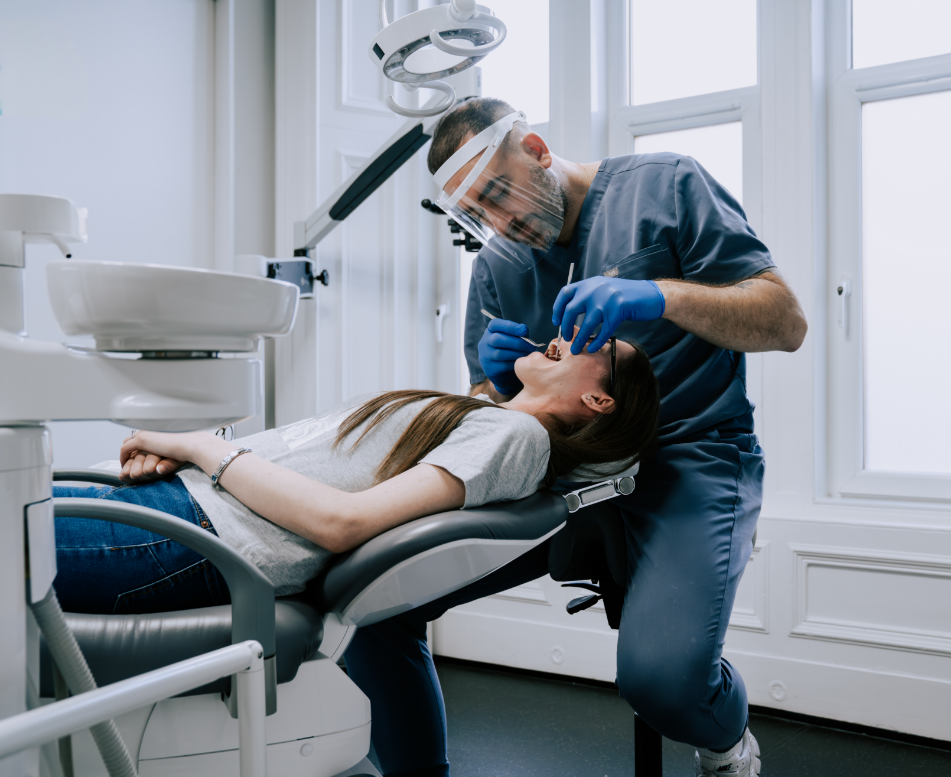
Adam has completed a Master of Science degree in endodontology. This represents extensive postgraduate training in root canal dentistry, which allows him to treat more difficult cases with precision.
In addition to this, Adam uses a wide range of special equipment and advanced techniques, which make his treatment outcomes more predictable whilst maximising patient comfort throughout.
Treatments Offered at Modern Endodontics with Dr Adam Watt
Free Consultations
Free Consultation aims to provide:
- A provisional diagnosis where possible;
- A prognosis relevant to your tooth;
- Outline of treatment needed and alternative options;
- Cost of treatment;
- Written consent document containing all of the above.
Restorability Assessment
Restorability assessment ensures that root canal treatment is appropriate and that long-term success is achievable. It involves the removal of existing restorations, such as fillings or crowns, while using a microscope to assess:
- The extent of decay or structural damage;
- Remaining healthy tooth structure;
- Presence of cracks;
- Accessibility of the tooth and root canals.
If any of the above are deemed significant or lacking, then extraction may be a better option.
Pain Diagnosis Using 3D CBCT Imaging
Sometimes routine X-rays or intraoral periapical radiographs (IOPA) lack the sensitivity or clarity to identify which tooth your pain is coming from. In this scenario, CBCT imaging can often provide vital information that helps pinpoint which tooth your pain is coming from, so it can be correctly treated.
Vital Pulp Therapy
Vital Pulp Therapy is aimed at preserving the vitality and function of the dental pulp after injury resulting from trauma, caries, or restorative procedures. The American Association of Endodontists' position statement on vital pulp therapy outlines which teeth may be suitable for this type of treatment.
Root Canal Treatment
When bacteria or trauma damage the pulp tissue, it can lead to pain, infection, and tooth loss if untreated. Root canal treatment removes the infected or damaged pulp, cleans and disinfects the inside of the tooth, and seals it to prevent future infection.
Root Canal Re-Treatment
Root Canal Re-Treatment gives a previously treated tooth a second chance if it’s not healing correctly. This may be due to a missed canal (residual infection within) or a root filling that is short of optimal length. Alternatively, the tooth may have become reinfected as a result of bacteria getting back into the root canal space via a defective restoration (crown or filling) or possibly a crack.
Management of Blocked Canals
Iatrogenic canal blockages are commonly associated with previously root-treated teeth. They can be a complication of instrumentation that impedes the negotiation to the canal terminus. If the canal below a blockage is infected, then the negotiation of this blockage is paramount to the overall success of the root treatment. Adam has trained under one of the world’s best in this field, Dr Antonis Chaniotis.
Management of Broken Instruments
Broken instruments can be removed in some instances, depending on where they are located within the root canal system. Generally speaking, if they can be visualised under the microscope in the upper half of the root canal, then it may be possible to retrieve them. However, in some instances, this may involve the removal of significant tooth tissue; therefore, it may be more conservative to try to work around a broken instrument using a ‘bypass technique’.
Adam has trained under world-renowned clinicians Dr Massimo Giovarruscio and Dr Yoshi Terauchi in this area.

Perforation Repair Using Bioceramic Putty
During root canal access, anatomical complexities and limited visibility (standard issue for the majority of dentists working without microscopy) may lead to perforation of the root canal system. Such defects can compromise the prognosis if not correctly managed.
Bioceramic putty is the material of choice for managing perforations due to its biocompatibility, sealing ability and capacity to induce hard tissue healing, which should ensure a favourable long-term outcome.
Apexification Using Bioceramic Putty/MTA
When a tooth presents with a wide apical foramen or open apex, traditional gutta-percha is no longer the most suitable filling material due to insufficient apical resistance. In such cases, we use a bioceramic putty or mineral trioxide aggregate (MTA), a type of bioceramic, to establish an apical barrier which seals the tooth. This material supports healing and allows the surrounding bone to grow against its surface.
Root End Surgery
Root End Surgery is also known as apicectomy. It may be needed when a root canal has failed, or as an adjunct to root canal treatment and re-treatment for persistent or extraradicular infections. Root end surgery involves opening the gum near the affected tooth, removal of 2-3mm from the infected root tip and the placement of a small ‘retrograde’ filling to seal it. The gum is then sutured to facilitate healing.
Main Features of Modern Endodontics
- Three-dimensional imaging, utilising CBCT (Cone Beam Computed Tomography) improves the precision and accuracy of diagnosis when IOPAs are unhelpful. CBCT can offer invaluable information on the vast complexities of a root canal system such as additional hidden canals, points of confluence or where canals exit separately.
- Due to advancements in bioactive materials such as Biodentine and bioceramic putties, conventional root canal treatment may be avoided in some instances. Over the past two to three years, Adam has performed several partial pulpotomies using these materials, and the early results appear very promising. This could be a viable treatment option for vital teeth.
- Where root canal treatment is indicated, microscopy enhances visualisation. It often detects hidden canals, cracks and fractures that were previously difficult to see with the naked eye or loupes. Combining CBCT and microscopy in re-treatment cases helps identify why a previous treatment failed, making management more predictable.
- Enhanced cleaning using ultrasonics.
- Conservative shaping techniques help preserve dentine and help maintain tooth strength and longevity.
- A well-planned and executed restoration significantly improves the long-term prognosis of a root-treated tooth, preventing reinfection and fracture. Adam is pleased to provide the final restoration or offer advice so that it can be completed by the referring dentist (which is more common).
Special Equipment Used by Adam at Modern Endodontics
Dentsply X-Smart Pro+
A cutting-edge device with revolutionary capabilities, seamlessly combining precision instrumentation with real-time apex localisation.
Ultrasonic Endo Activator - Ultra X
Ultrasonic activation is effective in the removal of smear layer and the unplugging of dentinal tubules. Ultrasonic agitation forms suspension of residual dentinal chips and tissue remnants with irrigant and facilitates their easy removal.
Ultrasonic cavitation disrupts the biofilm and helps to reduce bacteria load in the canal.
Ultrasonic activation helps irrigants to flush into undetected or un-instrumented canal anatomy like isthmus, fins, lateral canals, apical ramification, etc. Also helps to remove vapour lock.
Eighteeth Fast Pack/Fast Fill
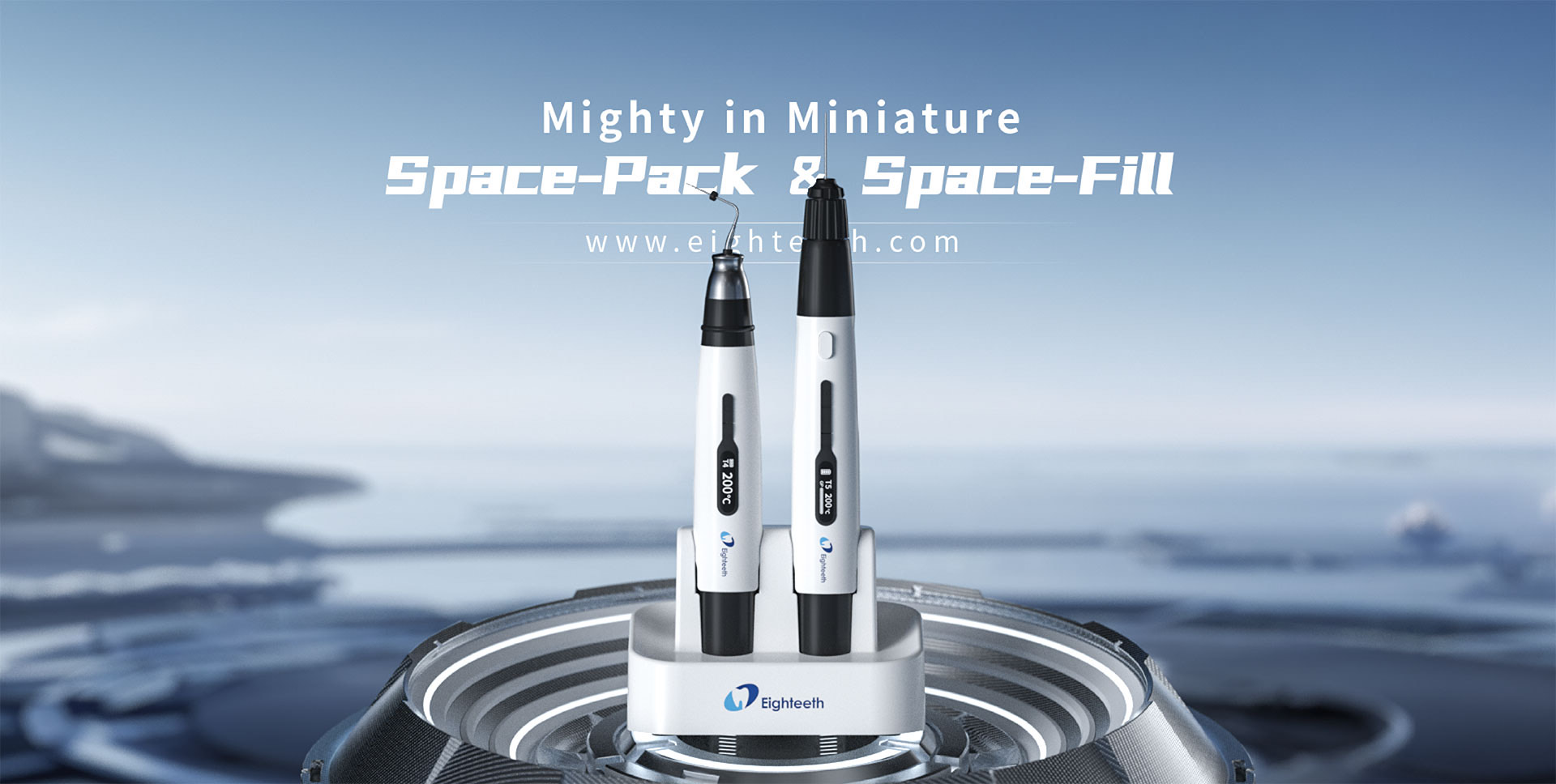
An advanced root filling (obturating) system that heats the root filling material (gutta-percha) to achieve a 3-dimensional root filling.
Operating Microscope, CJ Optik Flexion Advanced
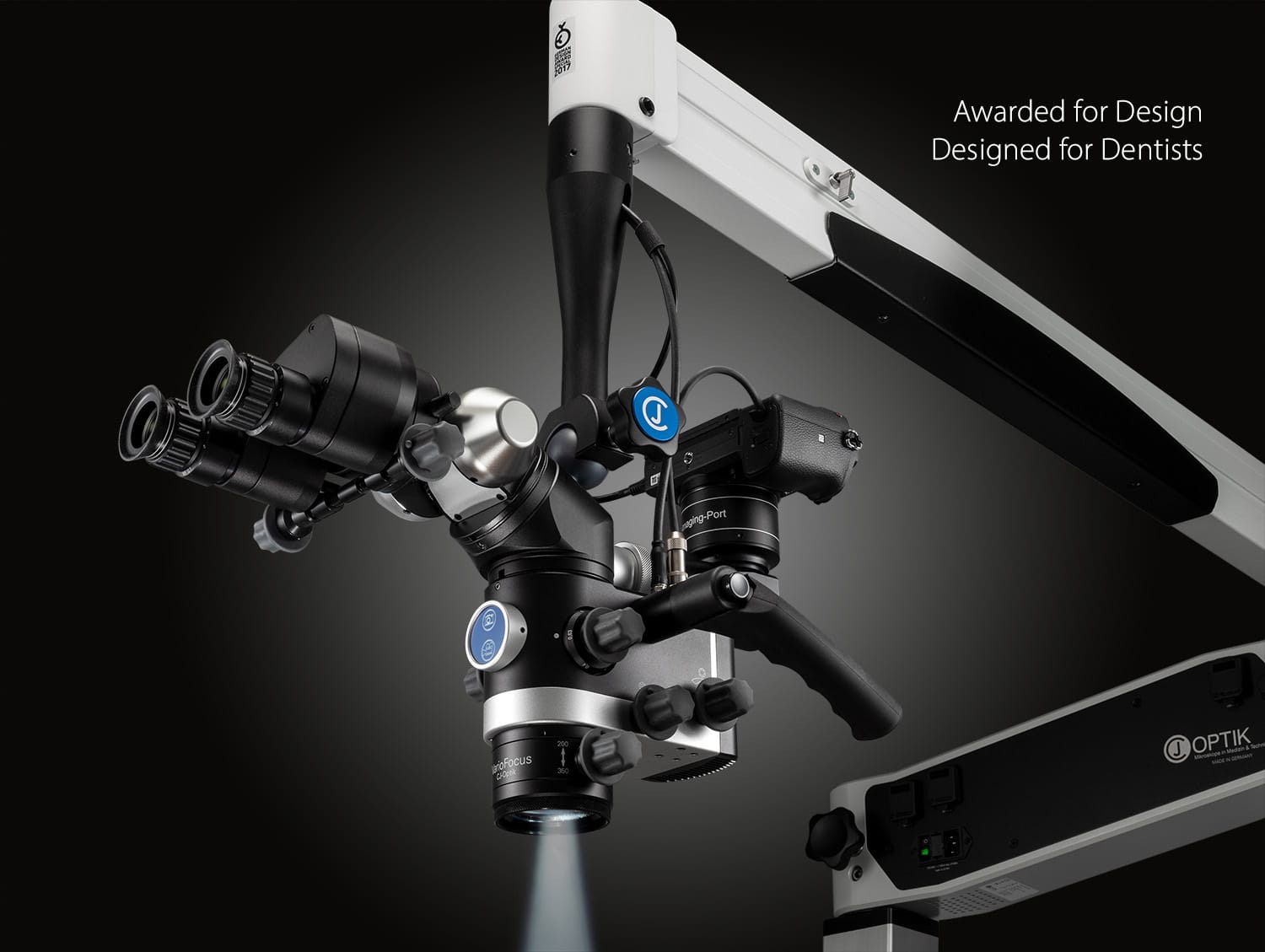
A high-magnification optical device that aids visualisation during root canal treatment. Its use significantly improves diagnostic accuracy, treatment precision and long-term outcomes of root canal treatments.
Caries Detector Dyes
Really helpful to assist in caries (decay) removal when performing vital pulp therapy in its various formats. It can also be helpful in the identification of cracks.
CBCT 3D Imaging
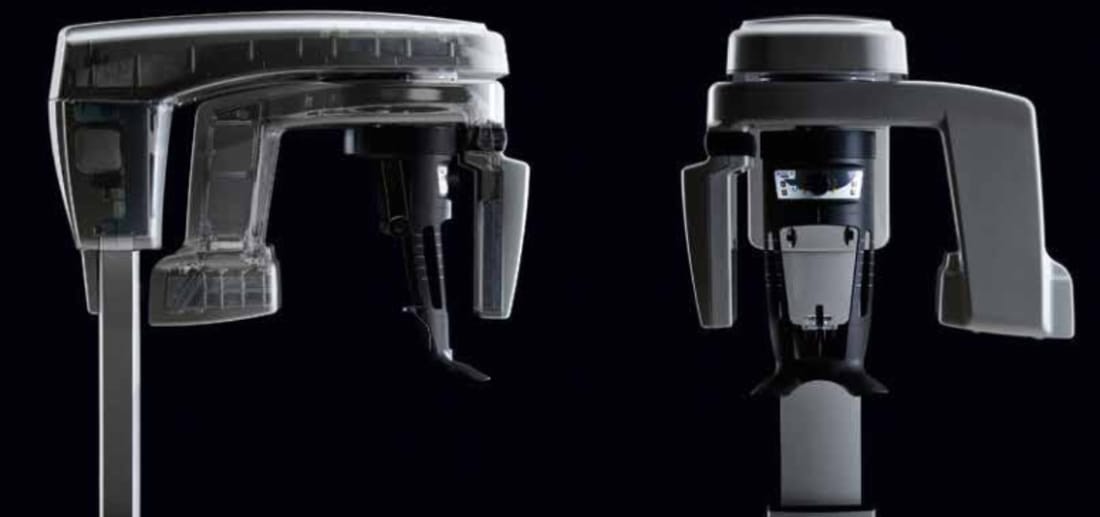
Cone Beam Computed Tomography (CBCT) is a form of 3-dimensional X-ray imaging that has arguably revolutionised root canal dentistry. As well as displaying a greater sensitivity to pick up early-stage inflammatory changes commonly missed on conventional 2-dimensional (2-D) X-rays, it also helps navigate the limitations of the 2-D X-rays routinely taken by dentists in general practice. It can offer more information diagnostically for those cases where you just can’t see what’s going on on 2-D X-rays due to anatomical noise or superimposition.
In addition to this, CBCT offers more information on the complexities of a tooth’s root canal system, which can make pre-planning and execution of treatment far more precise.
Acteon Newtron Booster & LG Burs
Ultrasonic access tool used along with various types of LG burs such as Goose Neck Burs, Long shank Rose Head Burs and ENDO-Z Safe End Burs. Over the years, root canals may become calcified and therefore more challenging to clean. When used in conjunction with an operating microscope & CBCT imaging, these instruments can help gain access to these complex cases in a way that retains as much of the tooth as possible and reduces the risk of complications such as perforation.
Morita Root Zx Apex Locator
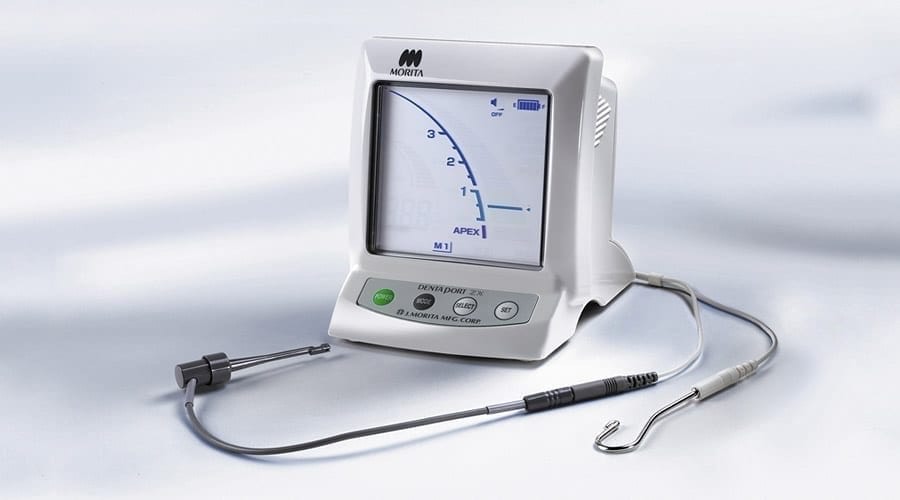
This digital apex locator is the ‘gold’ standard when determining root canal length.
Bioceramic Putties or MTA
These ‘biocompatible’ materials can be used to fix perforations in the root canal system caused by previous attempts to fix a tooth. In addition to this, they can be used to repair the end of a root that has become damaged through infection or trauma (either via the root canal or a surgical approach).
BTR Pen
One of the iatrogenic accidents in endodontic treatment is an instrument fracture within the root canal system. When used in conjunction with ultrasonic instruments, the BTR pen is a ‘loupe’ retrieval system that allows us to remove some of these broken instruments, depending on their location within the root canal.
TFRK Yoshi - Broken File Removal Kit/Instrument Removal Kit
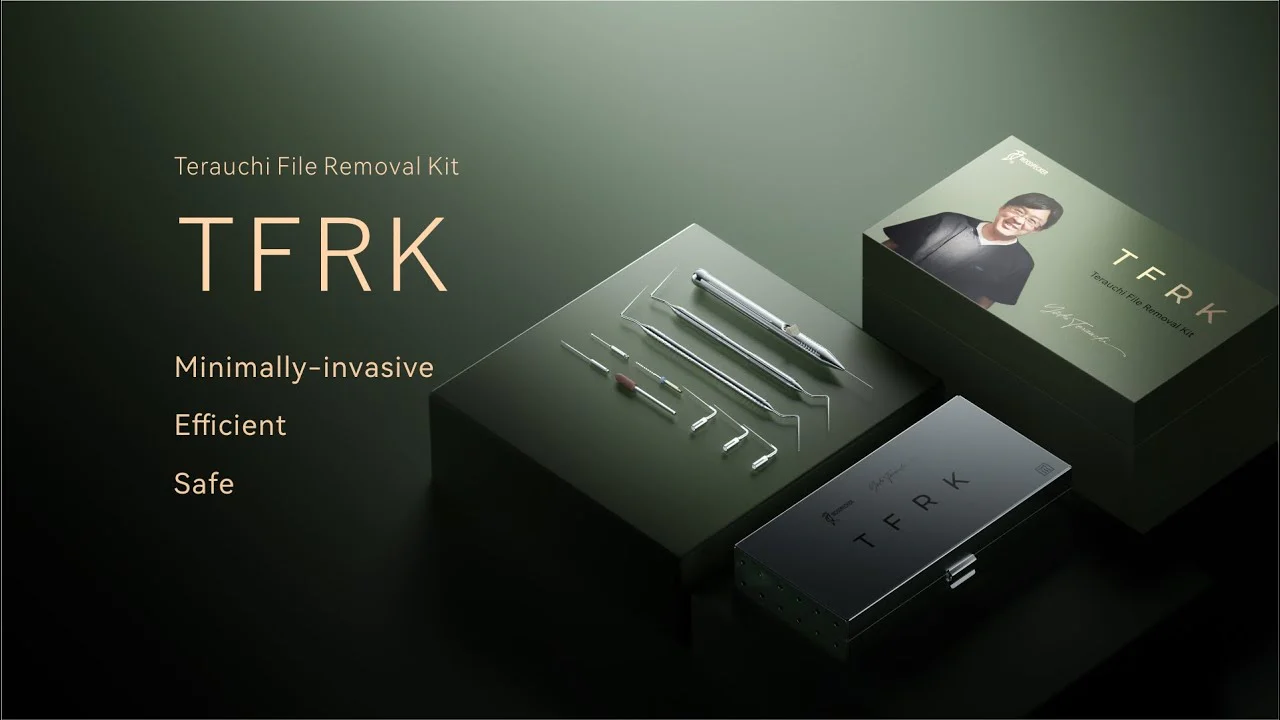
An advanced instrument retrieval system.
With the option for self-referrals and referrals by your dentist, Modern Endodontics by Dr Adam Watt makes it easy for root canal patients based in Glasgow and further afield to access advanced endodontic care.

If you're a patient looking to self-refer for an endodontic treatment with Dr Adam Watt, please contact the Treatment Coordinator at Broomhill Dental, Glasgow.